
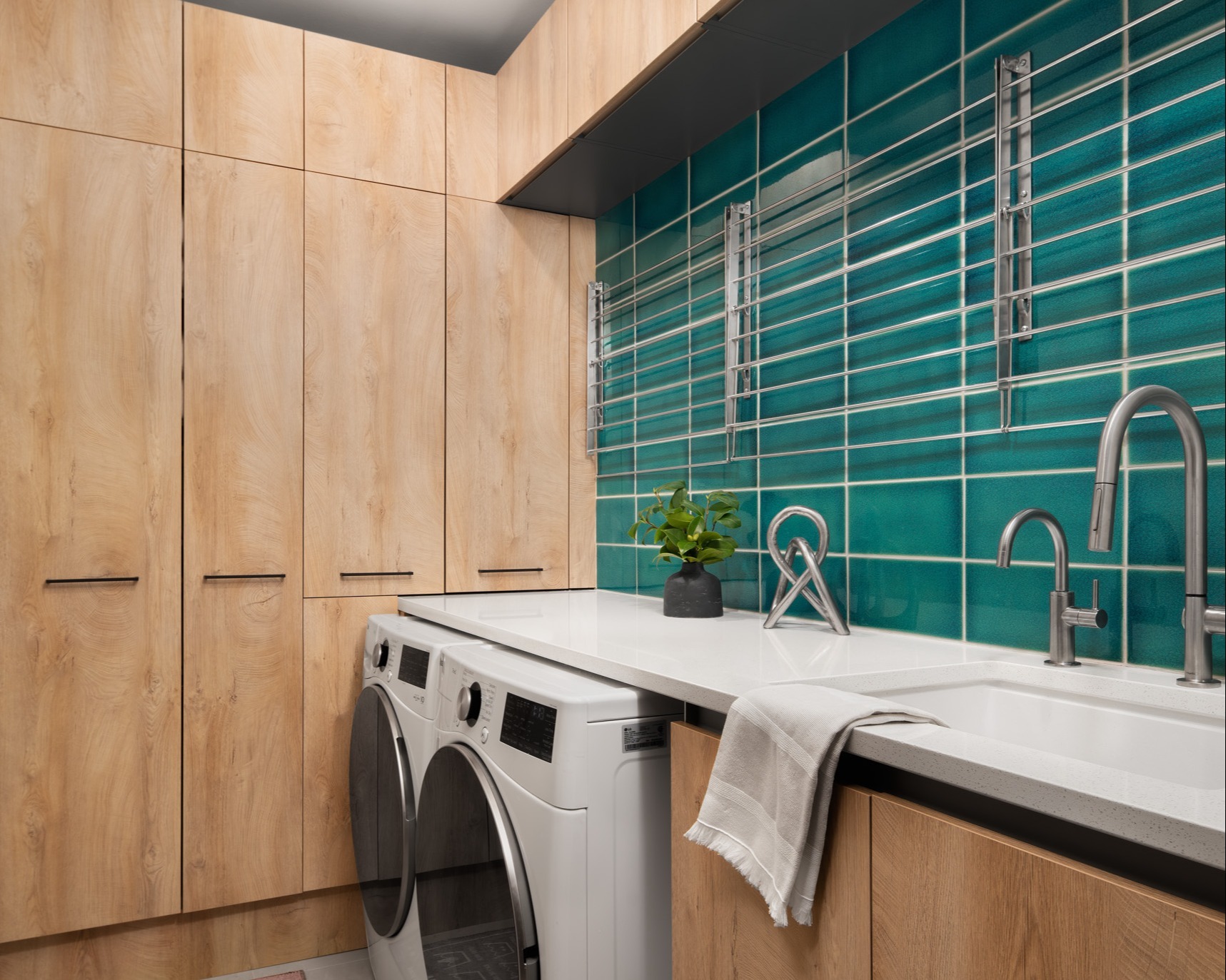
Most folks use the words remodel and renovation interchangeably, and that's completely understandable. When you're talking with friends, browsing Pinterest, or searching online, you'll see both terms used to describe everything from replacing kitchen cabinets to completely reimagining an entire home.
The distinction matters as soon as we get into the specifics of a construction project. The scope of your project influences every decision that follows: your investment, timeline, permitting requirements, design process, and even whether it's best to tackle one room or rethink your entire home.
Pathway Design + Construction finds that many homeowners come to us asking for a kitchen renovation or bathroom remodel, only to discover that the real challenge isn't confined to one room. Maybe the kitchen feels disconnected from the living space. Maybe the home lacks natural light. Maybe the floor plan no longer works now that parents have moved in, children are older, or remote work has become permanent. In those cases, simply updating finishes won't solve the underlying problem.
That's why we start every project by understanding how you want your home to function. Sometimes a targeted renovation is exactly the right solution. Other times, a whole-home remodel creates far greater long-term value by addressing the home as one cohesive system.
Before deciding which approach makes sense for your Seattle home, it helps to understand what these terms actually mean.
In This Guide:
- Remodel vs. Renovation: What's the Difference?
- Understanding the Spectrum of Home Projects
- Pathway's Approach: Looking Beyond the Project in Front of You
- Remodeling Around the Way You Live
- Questions to Ask Before Deciding on Your Project Scope
- Frequently Asked Questions
Remodel vs. Renovation: What's the Difference?
Although the construction industry often uses the terms interchangeably, there's a helpful distinction between a renovation and a remodel.
What is a Home Renovation?
A home renovation improves what's already there without fundamentally changing how the space functions. Think of it as refreshing, restoring, or modernizing a room while keeping the overall layout intact. You're enhancing the home rather than reinventing it.
A renovation might include:
- Installing new flooring throughout the home
- Repainting walls and trim
- Replacing countertops and backsplashes
- Installing new cabinetry in the existing layout
- Updating plumbing fixtures and lighting
- Replacing windows or doors
- Refreshing tile, hardware, and finishes
These projects can dramatically change the look and feel of a home without moving walls or reconfiguring spaces. That doesn't mean renovations are "small" projects. A high-end kitchen renovation, for example, may involve custom cabinetry, premium materials, and significant craftsmanship. The difference is that the room is generally performing the same jobs in the same general area when the project is complete, it simply performs it better and looks dramatically different.
What is a Home Remodel?
A home remodel changes the way a home works. Rather than updating finishes alone, remodeling alters the layout, flow, or function of the space. That often means modifying structural elements, relocating plumbing or electrical systems, or rethinking how rooms connect with one another.
Examples of remodeling include:
- Removing walls to create an open-concept living area
- Expanding a kitchen into adjacent rooms
- Reconfiguring a primary suite
- Converting unused space into a home office or guest suite
- Relocating plumbing fixtures for a more functional layout
- Building an addition or finishing a basement
- Creating dedicated spaces for multigenerational living
These projects require more planning because every decision affects the home as a whole. Structural considerations, permitting, engineering, and coordination between trades become increasingly important. For many Seattle homeowners, especially those living in older Craftsman or mid-century homes, the biggest frustrations are often solved by reconfiguring tight and boxy spaces.
How We Help Homeowners Decide Between a Remodel or Renovation
The short answer: this is just a label for a comprehensive and well-informed discussion. Our conversations with homeowners rarely begin by asking, "Do you want a remodel or a renovation?"
Instead, we ask questions like:
- How does your home fall short today?
- What would make everyday life easier?
- Are there opportunities to improve natural light or strengthen your connection to the outdoors?
- Are you planning to stay in this home for the next 15 or 20 years?
- Would it make sense to address multiple projects together instead of one room at a time?
Those answers reveal the right scope far better than the terminology ever could.
Understanding the Spectrum of Home Projects
Here are quick guidelines to help you understand where your project scope fits to help you make smarter decisions about planning, budgeting, and long-term value in order of ascending complexity.
Cosmetic Updates
Cosmetic updates focus on appearance rather than function. They're ideal when your home's layout already works well, but the finishes have become dated or worn.
Common cosmetic improvements include:
- Interior painting
- New flooring
- Updated lighting
- New plumbing fixtures
- Cabinet hardware
- Tile replacement
- Countertops
- Appliance upgrades
When Cosmetic Upgrades Are Best
These projects can make a home feel dramatically newer without requiring structural changes or extensive construction.
For homeowners preparing to sell, or those who simply want a fresh look, cosmetic improvements can deliver meaningful results with relatively limited disruption.
However, they're not always enough. If your kitchen still feels isolated from the rest of the house, storage is lacking, or the home's layout no longer supports the way your family lives, beautiful finishes alone won't solve those problems.
Targeted Room Renovations
A targeted room renovation goes a step beyond cosmetic improvements by addressing how a specific space functions. In addition to updating finishes, these projects often improve storage, workflow, lighting, or accessibility while keeping the changes contained to one area of the home.
Some of the most common examples include:
- Kitchen renovations
- Primary bathroom renovations
- Primary suite remodels
- Basement renovations
- Laundry and mudroom updates
- Dedicated home offices
- Accessibility improvements
These projects make sense when one room has become a daily frustration, but the rest of the home still supports your lifestyle.
For example, many Seattle homeowners love their neighborhood and the character of their home, but a dated kitchen may lack adequate storage, workspace, or connection to the adjacent living areas. If the surrounding floor plan already works well, focusing on the kitchen can be a smart investment that improves everyday life without expanding the project's scope.
Structural Remodels
Once you're changing the layout of your home, you've moved beyond a renovation and into remodeling.
Structural remodels focus on improving how spaces relate to one another. They often involve removing or adding walls, relocating plumbing or electrical systems, or changing the way people move through the home.
A structural remodel might include:
- Removing a wall between the kitchen and living room
- Expanding a kitchen into an underused dining room
- Reconfiguring a primary suite
- Relocating a staircase
- Enlarging windows to bring in more natural light
- Creating a more accessible floor plan for aging in place
These projects require significantly more planning because every change has a ripple effect. Structural modifications may affect permitting, engineering, building systems, and construction sequencing.
This is where thoughtful pre-construction planning becomes especially valuable. Understanding the home's structure, identifying opportunities early, and coordinating design with construction helps minimize surprises once work begins. It's one of the reasons we invest so much time upfront before construction ever starts.
Multi-room Renovations
Sometimes the smartest solution is improving several connected spaces at the same time. A multi-room renovation allows homeowners to address multiple priorities within a single, coordinated project. Rather than renovating the kitchen this year, the primary bathroom two years later, and the mudroom several years after that, you can develop one cohesive plan that considers how each space relates to the others.
This approach offers several advantages:
- More consistent design throughout the home
- Better coordination of plumbing, electrical, and HVAC work
- Fewer periods of construction disruption
- Opportunities to create better flow between adjacent rooms
- More efficient project planning
Just as importantly, it prevents the "patchwork" effect that can happen when rooms are updated independently over many years. A home should feel intentional, like songs on the same album, not a wild ride through the local radio stations.
Whole-home Remodels
A whole-home remodel is about much more than updating every room. It's about looking at your home as one interconnected system and asking a bigger question:
How should this home support the next chapter of our lives?
For some families, that means opening up compartmentalized living spaces to create better flow for entertaining and everyday life.
For others, it means designing for multigenerational living by creating private spaces for aging parents or adult children.
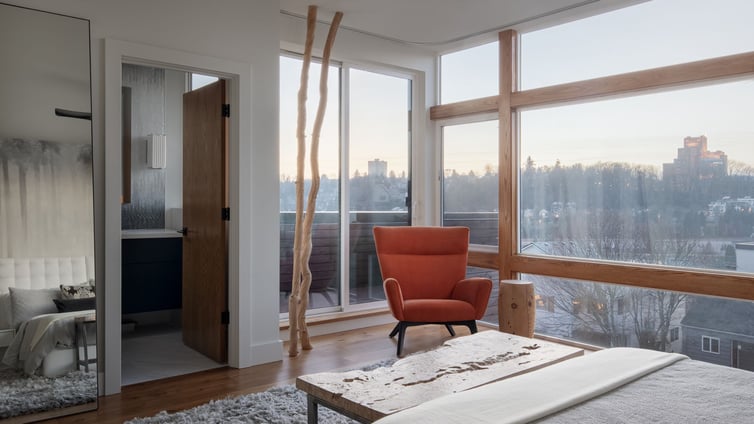
Others want to preserve the character of a beloved Craftsman while modernizing the systems behind the walls, improving energy efficiency, increasing natural light, and making the home healthier and more comfortable for decades to come.
These are the kinds of conversations we have every day with homeowners throughout the Seattle area.
A whole-home remodel often brings together many different project types into one cohesive vision, including:
- Reconfiguring the floor plan
- Remodeling kitchens and bathrooms
- Updating electrical, plumbing, and HVAC systems
- Improving insulation and energy performance
- Replacing windows and doors
- Adding storage throughout the home
- Creating stronger connections to outdoor living spaces
- Planning for accessibility and long-term livability
Rather than solving one isolated problem, a whole-home remodel creates a home where every space works together.
Pathway's Approach: Looking Beyond the Project in Front of You
One of the biggest mistakes homeowners can make is defining the project too early.
If you decide you need a kitchen remodel before understanding why the kitchen isn't working, you may invest heavily in a space that still doesn't solve your everyday frustrations.
That's why our process starts with listening rather than selling.
We want to understand how you use your home today, where it falls short, and how you hope it will support your family in the future. Those conversations often uncover opportunities that homeowners hadn't considered, whether that's improving natural light, creating better circulation between rooms, planning for aging parents, or making the home healthier and more energy efficient while walls are already open.
Sometimes that conversation confirms a targeted renovation is exactly the right solution.
Sometimes it reveals that solving several problems together through a whole-home remodel will deliver far greater long-term value.
Either outcome is a success because the project is designed around your goals—not around a predetermined scope.
Remodeling Around the Way You Live
No two families use their homes the same way.
Many of our Seattle-area clients work from home at least part of the week. Others are welcoming aging parents into the household, accommodating adult children returning home, or creating spaces that better reflect their family's cultural traditions. Here are some other common considerations when deciding the extent to which you'll be updating your Seattle home.
Creating Healthier Homes
We also believe a successful remodel should improve what's behind the finished surfaces. That's one reason we're passionate about indoor air quality and maintaining exceptionally clean jobsites throughout construction.
During Construction
For homeowners remaining in their homes during a remodel, careful dust containment, thoughtful material selection, and organized construction practices are just part of protecting your family's health and making the remodeling experience more comfortable.
Healthy Design
Whenever possible, we prioritize healthy design. This means we look for opportunities to improve ventilation, bring in more natural light, increase energy efficiency, and create spaces that feel healthier and more connected to the outdoors.
Preserving What Makes Seattle Homes Special
Many of the homes we remodel have incredible character that's worth preserving. Original Craftsman millwork, thoughtful proportions, established neighborhoods, and mature landscaping are often the very reasons homeowners choose to remodel instead of move.
We're your partner in thoughtfully modernizing the home so it functions for today's lifestyle while respecting the architectural details that make it unique. The best remodels don't feel like entirely different houses. They feel like the home was always meant to work this way.
Questions to Ask Before Deciding on Your Project Scope
Before you commit to a renovation or remodel, take a step back and ask yourself a few questions.
- Is my biggest frustration cosmetic, functional, or structural?
- Does the current floor plan still support how we live today?
- Are there multiple rooms that need attention, or is one space causing most of the problems?
- Are we planning to stay in this home for the next 10 to 20 years?
- Would it be more efficient to complete several connected projects together?
- Are there aging electrical, plumbing, or HVAC systems we should address while construction is underway?
- Could this project improve natural light, indoor air quality, or energy efficiency?
- Will our family's needs change in the coming years?
.jpg?width=754&height=521&name=Seattle%20Whole%20House%20Remodel2_After%20%20(2).jpg)
Frequently Asked Questions
Is a remodel more expensive than a renovation?
Not necessarily. Cost is driven by scope, not terminology. A luxury kitchen renovation can cost more than a modest structural remodel. The biggest cost factors are layout changes, structural work, building systems, material selections, and the overall size of the project.
Learn more about remodeling and renovation costs here.
Is it better to renovate one room at a time?
Sometimes. If your home's layout already works well and only one space needs improvement, a targeted renovation can be an excellent investment.
However, if several projects are on your wish list, planning them together often produces a more cohesive design, reduces repeated disruption, and allows work on plumbing, electrical, and HVAC systems to be coordinated more efficiently.
Can I stay in my home during construction?
That depends on the size and complexity of the project. Many homeowners can remain in their homes during targeted renovations or phased remodeling projects. Larger whole-home remodels may require temporary relocation during portions of construction.
During every project, we prioritize maintaining a clean, organized jobsite and carefully managing dust and indoor air quality to create the best possible experience for our clients.
Ready to Define the Right Scope for Your Seattle Area Remodel?
Our role is to help you evaluate your home's potential, identify the opportunities that will create the greatest long-term value, and develop a plan that reflects how you want to live for years to come.
If you're considering a home renovation or whole-home remodel in Seattle or the Eastside, we'd love to start that conversation.